

Moving can often be a daunting task, accompanied by tension and confusion. Regardless if you're relocating across the area or from a different state, creating a well-structured plan can bring a significant difference. When you're considering a move to Wake Forest, North Carolina, a lovely town famous for its family-friendly atmosphere and vibrant community, we have just the right resources to make the process easy and stress-free.
This detailed checklist will guide you through the entirety of your Wake Forest relocation, from finding the right licensed movers to being aware of local HOA rules and choosing the best neighborhoods for your household. With so many factors to take into account, including relocation expenses, packing options, and customized services for items like pianos and antiques, you’ll feel confident and prepared as you embark on this thrilling chapter in your life. We’ll delve in and make certain your move to Wake Forest is as stress-free as it can be.
Moving Expenses and Choosing a Moving Company
Understanding relocation expenses in Wake Forest, NC is essential for budgeting your move. Check Out Your URL moving companies typically charge based on the mileage, size of the residence, and the options available. Factors like packing supplies, the required number of movers, and additional services can all impact the total price. It’s recommended to gather quotes from various movers to assess costs and services. This will help you have a clearer idea of how much you should expect to spend.
When hiring a moving company, selecting a legitimate and covered mover is essential for peace of mind during your relocation. A licensed company follows local regulations, ensuring a level of expertise and accountability. Additionally, insurance protects your possessions in case of harm during the move. Look into the movers well, read reviews, and verify their qualifications to avoid potential scams.
For those transitioning to or from Wake Forest, it’s important to think about the areas based on your lifestyle needs. Wake Forest Movers might prefer neighborhoods with highly-rated schools and parks, while workers could focus on neighborhoods that offer quick routes to major roads and public transport. Knowing what each area has to offer can aid in making a more informed decision during your moving experience.
Neighborhoods and Moving Tips
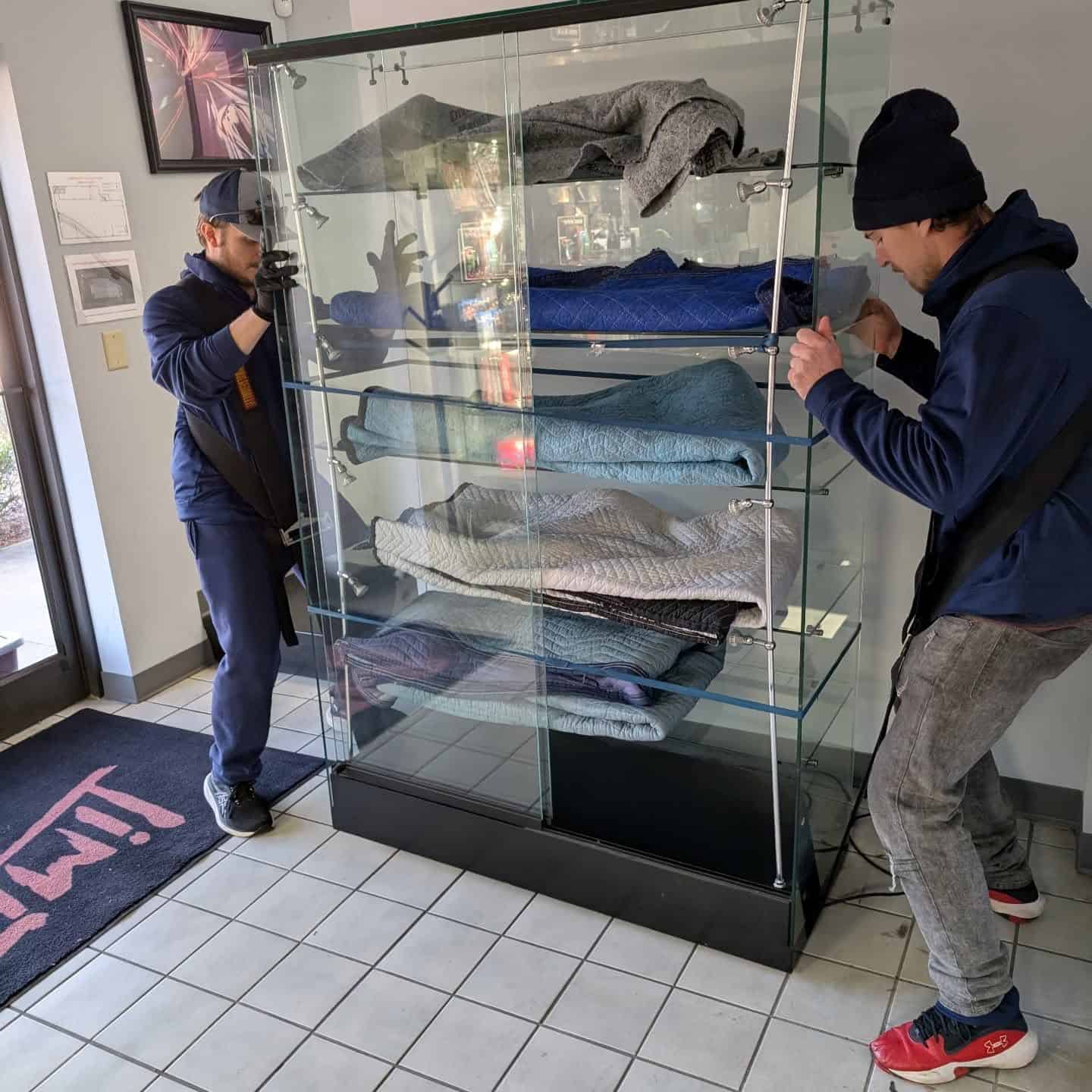
When moving to Wake Forest, NC, it's essential to consider the communities that best suit your lifestyle. For households, areas like Traditions neighborhood and Wakefield are appealing due to their proximity to good schools and parks. These neighborhoods offer a community feel with ample amenities for kids and adults alike. Those who commute may like locations nearer to major roads and highways, such as those along Capital Boulevard and NC-98, providing easy routes to nearby towns and workplaces.
As you get ready for your move, acquaint yourself with the local moving regulations, especially if you are relocating to townhouses or areas governed by a property owners' association. Neighborhoods like Heritage community and Holding Village have specific rules regarding moving vehicles, vehicle parking, and sound regulations that you’ll need to follow. Understanding these regulations can help avoid potential problems on moving day itself and ensure a smoother transition into your new residence.
If you're reducing your space or moving into a senior living facility, Wake Forest offers several options tailored for seniors. It's essential to select a relocation service experienced with senior-moving needs, as they can provide gentle handling of your items and help with the packing process and unpacking. Additionally, making use of services that offer eco-friendly moving solutions, such as leasing reusable containers, can make easier the process while lessening environmental impact.
Packing, Storing, and Relocation Day Tips
Effective packing is important for a smooth move, particularly in that region. Commence by gathering premium packing materials, which include boxes, bubble wrap, and packing tape. Categorize your belongings by space and tag each box to guarantee all items is in order and simple to locate upon reaching your destination. If you're contemplating a DIY approach, packing strategic items ahead of time can conserve time, but be sure to leave essentials for after. Alternatively, enlisting a professional packing company can mitigate the stress of packing and provide skill in safeguarding breakable items.
When it comes to storage options, evaluate your individual requirements and timeline. Climate-controlled storage units are ideal for sensitive items, such as antiques or electronics, while transit boxes offer flexibility during the transition. If you have a tight timeline between moving out and moving in, these containers can be brought to your destination when you're ready, providing ease without the hurry of immediate unpacking. Verify you understand the regulations of your local area regarding storage options.
On moving day, plan for the unforeseen by having a to-do list ready to assist your actions. Make sure that all appliances are disconnected and ready to be loaded, and have equipment on hand for any last-minute chores. Hydration and snacks can ensure everyone energized amid the hustle. If you have young ones or pets, arrange for them to be elsewhere during the move or create a calm zone. Finally, be certain to communicate openly with your moving crew; if you need help with loading a truck or getting through tight spaces in your new home, teamwork is essential to a smooth transition in that region.